IPTV for Kids: How Do I Lock Adult Channels Before Handing Over the Remote?
Handing a child the TV https://highstylife.com/iptv-in-winnipeg-is-central-time-handled-right-in-the-program-guide/ remote should not turn into a game of “What’s on this channel?” If your family uses IPTV, set up parental controls before kids start browsing—and test the lock yourself while you still have the remote in hand. The exact menus vary by IPTV app, device and service, so do not assume that one PIN protects every screen or stream.
This guide covers practical steps for an IPTV for kids parental pin, including common questions about IPTV Smarters Pro lock channels and TiviMate lock adult channels. It also covers device setup, household streaming limits and what to check before paying for a subscription in Canada.
Start with the service, then secure the app
IPTV apps are usually players: they display the channel list and stream details supplied by a service. The app’s parental controls and the provider’s content controls may be separate. A PIN in the player might hide selected channels, but it may not block adult content in search results, catch-up TV, video on demand or a second app on the same device.
Before subscribing, ask the provider what its parental controls cover. Confirm whether adult channels can be removed from your account or playlist, whether the lock applies to on-demand content, and whether the PIN can be changed. If the service offers a family or kids profile, ask what that profile actually restricts.
With a provider such as IPTV Jacom, check the current plan details directly rather than relying on a banner or a reseller’s description. Make sure you understand the service’s content policies and that it has the rights and authorization needed to offer the channels where you live. A large channel count is not proof of quality or availability.
Set an IPTV for kids parental PIN
Use a PIN your child cannot guess. Avoid birthdays, street numbers, repeating digits and the same code you use for device purchases. If the app permits it, use a different PIN from your Samsung TV or streaming device’s general restriction code. Keep the code in a password manager or another secure place—not on a note beside the remote.
- Find the parental-control settings. Open the IPTV player’s settings and look for labels such as Parental Control, PIN, Restrictions or Channel Lock. Menu names and locations change between app versions.
- Create or change the PIN. Set a new code before enabling restrictions. If you have inherited a device, reset any PIN you do not know rather than trying common defaults.
- Lock or hide adult categories and channels. If the app supports category-level restrictions, use them; otherwise, lock each relevant channel. Also check adult-labelled video-on-demand categories.
- Test the restriction. Exit settings, reopen the channel list and try to open a locked item. Confirm that the app asks for the PIN and does not reveal the stream through another menu.
- Check after updates. App updates, playlist changes or a device reset can alter settings. Re-test the lock after any major change.
If you cannot find parental controls, consult the app’s current help page or contact its developer. Do not assume that deleting a channel from a favourites list blocks it; favourites are usually a shortcut, not a restriction.
IPTV Smarters Pro: lock channels and check the limits
People searching for IPTV Smarters Pro lock channels should know that options can differ by version, platform and the way the service has configured the app. In the settings, look for parental-control or channel-lock features, then set a PIN and apply it to the categories or individual channels available in your version. If you do not see the feature, confirm that you are using the current official app and check its documentation.
After locking channels, test all the sections your family uses: Live TV, series, movies, search and any catch-up or replay area. Some players let you hide a category from the main list without requiring a PIN to access it elsewhere. If the restriction is not comprehensive, ask the provider whether it can supply a family-safe playlist or remove adult content from your account. A child-friendly playlist can reduce accidental discovery, but test it too.
TiviMate: lock adult channels before kids browse
For TiviMate lock adult channels setup, open the app’s settings and look for parental controls or channel restrictions. Depending on the version and device, you may be able to set a PIN and protect selected channels, groups or settings. The labels and capabilities can change, so follow the current in-app instructions rather than relying on an old screenshot.
Once the lock is set, test both the channel group and a direct channel entry. Also check whether the PIN protects settings that could be used to turn the restriction off. If a child can switch to another profile, app or input, lock those routes separately using the TV or streaming device’s own controls.
Do not rely on one lock for the whole household
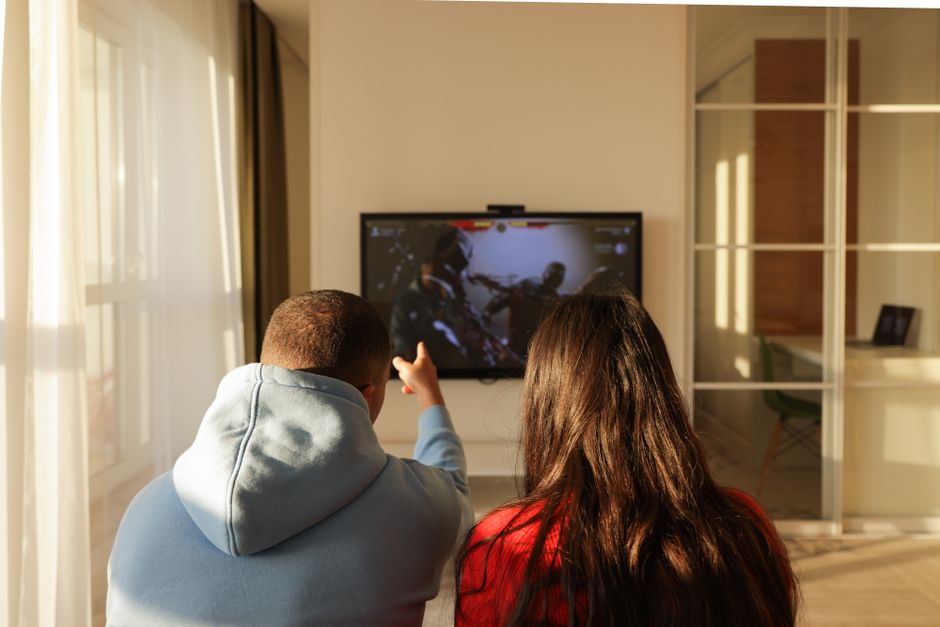
IPTV app controls are only one layer. A child may be able to switch apps, change the TV input or open a browser. Use the device’s built-in restrictions as well, and secure app installation, purchases and account settings where those options are available. On a Samsung TV, explore the current parental-control and app-lock settings in the TV’s menus; menu names vary by model and software version.
For extra protection, keep the IPTV app out of a child’s profile or place a general device lock on the adult profile. Review each device separately: a restriction on one Samsung TV does not automatically apply to an Android TV box, Fire TV Stick, Apple TV or phone. Do not share the parental PIN https://dibz.me/blog/how-to-restart-a-router-properly-for-iptv-what-order-do-i-unplug-things-1290 with children, and change it if it has been disclosed.
Device compatibility and a safe setup sequence
Before buying a plan, confirm that the service and player work with your actual equipment. “Compatible” can mean different things: an app may install but not support every feature, or a service may require you to enter playlist details into a separate player. Check the provider’s current device list and app instructions before paying.
- Samsung Smart TV: Check the TV’s app store and model support. If the preferred player is unavailable, ask what supported setup options exist; do not assume every IPTV app runs directly on every Samsung model.
- Android TV or Google TV: Install a supported player from an official store where possible, then enter only the account or playlist details supplied by your provider.
- Fire TV: Confirm app availability and installation instructions. Avoid unknown downloads or instructions that ask you to disable important device protections without a clear reason.
- Apple TV: Verify that the service offers a compatible player or supported setup route for your model.
- Phones and tablets: Install the official app, use a secure screen lock and remember that a TV’s PIN settings will not protect a mobile device.
- Confirm device compatibility, supported app versions and the number of simultaneous streams allowed.
- Use a trial, if available, to check picture stability, channel selection and parental-control behaviour on your own equipment.
- Set the parental PIN and device restrictions before saving the remote to a child’s profile or handing it over.
- Test live TV, on-demand content, search and profile switching while supervising the device.
- Write down the adult account’s recovery steps and keep credentials and PINs private.
Plans, pricing and payment: read the terms in CAD
Ask for the total price in Canadian dollars before purchasing, including any applicable taxes, renewal price and payment fees. If a seller quotes only in another currency, ask what the charge will be in CAD and who sets the exchange rate. Do not rely on a vague “starting at” price without knowing which plan, term and device allowance it refers to.
For example, an advertisement might say “55,000+ live channels”. Treat that as a claim to verify, not a promise that every channel will work, be in your language or include the shows your family wants. Ask for a channel list, check the content you care about during a trial and confirm that the service is authorized to distribute it.
If a seller says it accepts Interac e-Transfer only, understand that before sending money. Interac e-Transfer is a payment method, not a guarantee of service quality or a substitute for clear written terms. Confirm the recipient, price in CAD, subscription length, renewal policy and refund conditions through the provider’s official contact channel. Keep the receipt and avoid sending payment to an unexpected personal address.
Some offers advertise a free 24-hour trial and a 7-day refund window. Get the conditions in writing: when the 24 hours begin, whether payment details are required, what counts as a refund-eligible issue and how to request a refund. Check whether a trial converts automatically to a paid plan. Turn off or avoid auto-renewal if you do not want another charge, and save confirmation of any cancellation.

One to five streams: match the plan to your household
Multi-device streaming may be listed as one to five simultaneous streams, but the limit depends on the plan and provider. “Five devices supported” can mean five registered devices, not five streams playing at once. Ask which one applies, whether all streams can be used on the same home network, and what happens if a child starts playback on another device.
More simultaneous streams also mean more household internet capacity is needed. A rough planning estimate for HD streaming is about 5–8 Mbps per stream, while a 4K stream can require roughly 15–25 Mbps or more, depending on the service and video quality. For example, three HD streams could use around 15–24 Mbps, before accounting for other devices and normal household use. Check your actual connection at the time you watch; advertised internet speed is not the same as reliable Wi-Fi speed at the TV.
Make the living-room setup dependable
For the main TV, I prefer wired Ethernet when the device supports it. It avoids some of the interference and distance problems that can affect Wi-Fi, especially in busy homes. If Ethernet is not practical, place the router in an open, central spot and avoid hiding it in a cabinet. A mesh system or access point may help where the TV is far from the router, but test before buying extra equipment.
And one troubleshooting question I always ask: What time does the buffering happen? If it is mainly during evening viewing or a big live event, note the time, device and whether other people are streaming. That helps separate a local Wi-Fi issue from network congestion or a service-side problem. Test the same channel over Ethernet if possible and compare it with another device.
Game-night checklist
Before a family game night or a big match, use this short checklist:
- Confirm the kids’ profile or channel restrictions are still active.
- Check the adult PIN without showing it to children.
- Test the main stream early, not five minutes before kickoff.
- Use Ethernet for the main TV where possible.
- Pause large downloads and unnecessary streams on the home network.
- Keep a backup activity ready in case the service or internet connection has trouble.
Bottom line
Set the IPTV for kids parental pin before handing over the remote, then test the lock across live channels, search and on-demand sections. For IPTV Smarters Pro or TiviMate, confirm the controls in your exact app version and add device-level restrictions on every TV or streaming box. Check compatibility, simultaneous-stream limits, CAD pricing, Interac e-Transfer terms, trial conditions and refund rules in writing. A few careful checks now can make family viewing safer—and save you from troubleshooting at the worst possible time.