What Is the Best One Sentence Answer to Who Owns ChatGPT?
In today’s rapidly evolving AI landscape, the question “who owns ChatGPT?” often comes up as users, investors, and journalists seek to understand the powerhouse behind this transformative technology. The concise truth is that ChatGPT is a product of OpenAI, not a separate company, with ownership layered across OpenAI Group PBC, the OpenAI Foundation, and major shareholders including Microsoft.
Understanding ChatGPT’s Ownership: A Nuanced Landscape
When approaching ownership of ChatGPT, it’s essential to appreciate the complex corporate and governance structure that underpins the product. The brand ChatGPT is not an independent entity; suprmind.ai it is developed, maintained, and operated by OpenAI—an organization structured as a public benefit corporation named OpenAI Group PBC, governed by a nonprofit OpenAI Foundation with special control rights.
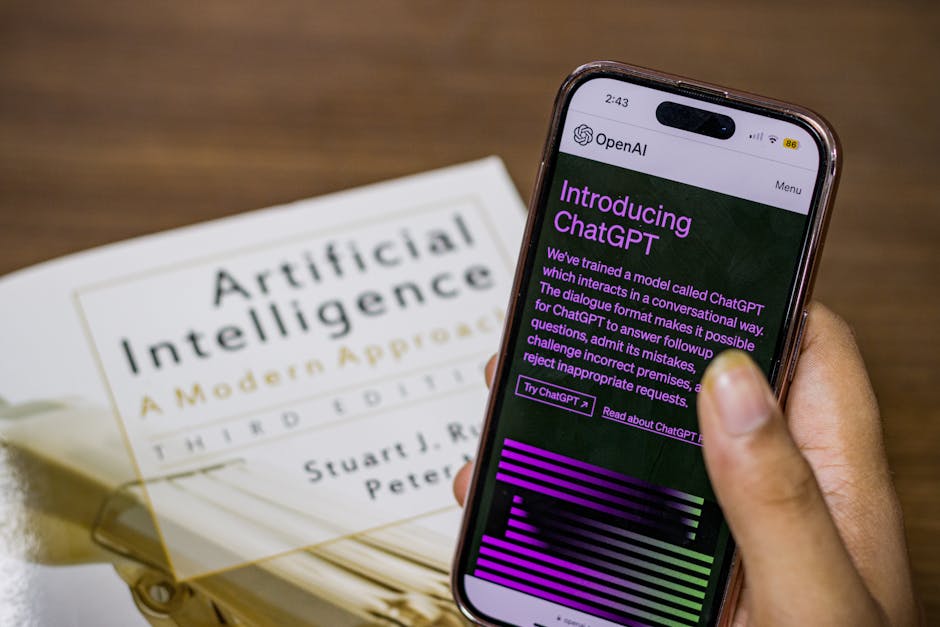
Ownership here is not a simple matter of one entity holding the product outright. Instead, it involves multiple meanings of ownership:
- Operating control
- Legal entity ownership
- Economic stake
- Governance control
1. ChatGPT Is an OpenAI Product — Not a Standalone Company
First and foremost, ChatGPT is a product offered by OpenAI. It is not spun off into a separate company or brand with distinct ownership. According to OpenAI’s European Terms of Use and rest-of-world terms, ChatGPT usage is governed by OpenAI’s broader corporate policies and operational protocols.
This means when you interact with ChatGPT, you are engaging with OpenAI Group PBC’s service, under the legal and operational umbrella of OpenAI.
2. Four Dimensions of Ownership
To unpack who “owns” ChatGPT, we can break down ownership into four key dimensions:
- Operator Ownership: Who runs the infrastructure and technical operations of ChatGPT? This is OpenAI Group PBC.
- Legal Ownership: Under what legal entities does ChatGPT fall? ChatGPT is part of OpenAI Group PBC, a public benefit corporation (PBC), governed by the OpenAI Foundation.
- Economic Ownership: Who holds the financial interests or shares that benefit from ChatGPT’s value? This includes investors like Microsoft, who is a major shareholder, among others.
- Governance Control: Who makes decisions about ChatGPT’s direction, ethics, and long-term strategy? The OpenAI Foundation exercises significant governance control through special voting rights.
3. Legal Structure: OpenAI Group PBC and the OpenAI Foundation
OpenAI originally started as a nonprofit but transitioned to a unique hybrid structure to balance safety and innovation with capital needs. OpenAI Group PBC is the legal entity responsible for ChatGPT and most commercial OpenAI products. Its structure as a public benefit corporation means it legally embarks on a mission that considers public interest alongside profits.
Above this is the OpenAI Foundation, a nonprofit organization designed to govern OpenAI Group PBC. The Foundation holds special protective powers, including controlling the board of OpenAI Group PBC, ensuring governance aligns with OpenAI’s mission and public benefit goals. This structure distinguishes OpenAI’s governance and ownership from conventional tech companies.
4. Economic Ownership: The Role of Major Shareholders Like Microsoft
Financially, OpenAI Group PBC has investors who hold economic stakes. Microsoft is well documented as a major shareholder and partner with multi-billion-dollar investments. However, economic ownership is subject to change, capital raises, employee stock options, and other financial instruments that make the “who owns ChatGPT” economically a moving target.
Reports often oversimplify “ownership” to equate economic valuation or investment stakes with control or operation. This is misleading because financial stakes do not necessarily confer governance control.
5. Governance Control: How the Foundation Controls the Board
One of the most misunderstood aspects of ChatGPT’s ownership is governance. The OpenAI Foundation is explicitly designed to protect the company’s mission by controlling the board of OpenAI Group PBC through special rights outlined in corporate governance documents.
This means that while Microsoft and other investors may own economic stakes, substantive control over strategic decisions, mission, and ethics remains with the Foundation.
How OpenAI’s Terms of Use Reflect Ownership and Responsibility
OpenAI’s European terms of use and the global rest-of-world terms specify that the user agreement, privacy policies, and liability terms are anchored by OpenAI Group PBC. These legal documents underscore that:
- OpenAI is responsible for ChatGPT operations and data usage.
- The OpenAI Foundation governs the ethical and mission framework.
- Microsoft, as a strategic partner, benefits economically but does not control the core AI policy or product roadmap.
Summary Table: Who Owns ChatGPT?
Ownership Dimension Holder(s) Role & Influence Operator OpenAI Group PBC Runs ChatGPT’s infrastructure, development, and service delivery. Legal Entity OpenAI Group PBC (PBC) & OpenAI Foundation Public benefit corporation structure with nonprofit governance. Economic Owner Microsoft (major shareholder), other investors and employees Financial interest and shareholding; subject to change. Governance Control OpenAI Foundation Controls board and strategic decisions with special voting rights.Conclusion: The Best One Sentence Answer
To comprehensively answer “who owns ChatGPT?” in one sentence, consider this carefully crafted summary:
ChatGPT is a product owned and operated by OpenAI Group PBC, a public benefit corporation governed by the nonprofit OpenAI Foundation—which controls the board to safeguard mission and ethics—while economic ownership is shared among investors like Microsoft, whose financial interest does not translate to governance control.
This sentence captures the layered reality behind ChatGPT’s ownership—reflecting operating control, legal structure, economic stake, and governance authority—providing clarity beyond simplified headlines and investor speculation.
Key Takeaways
- OpenAI owns ChatGPT as a product, not as a separate company.
- The OpenAI Foundation controls the OpenAI Group PBC board, preserving mission focus.
- Microsoft is a major shareholder but does not control OpenAI’s governance.
- Ownership involves multiple dimensions that are often misunderstood or misreported.
By understanding these layers, stakeholders can better navigate the AI ecosystem’s transparency and accountability debates surrounding ChatGPT and OpenAI.